The Future of Office Space: Mixed-Use Properties & Remote Work
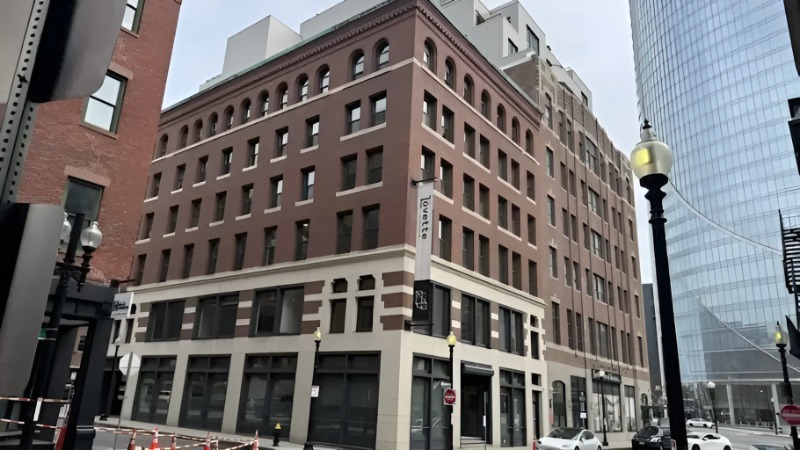
Office space is no longer what it used to be. As we navigate 2025, it’s clear that the traditional 9-to-5 office building is evolving—or being replaced altogether. The rise of remote and hybrid work models, coupled with urban development shifts, has led to a surge in mixed-use properties blending residential, commercial, and co-working spaces into a single ecosystem.
In this post, we explore how remote work is reshaping office demand and why mixed-use real estate is quickly becoming the future of urban planning, investment, and work-life balance.
💼 What Has Changed Since 2020?
The COVID-19 pandemic accelerated a shift that was already underway: employees no longer need to be tethered to a central office. By 2025:
68% of Massachusetts-based knowledge workers operate on a hybrid schedule
Demand for full-time leased office space is down over 35% from 2019 levels
Cities and landlords are reimagining office buildings as flexible, multi-purpose spaces
🏙️ The Rise of Mixed-Use Spaces
Mixed-use developments combine various functions in one place—typically residential, commercial, retail, and leisure. These spaces are becoming highly attractive in cities like Boston, Somerville, and Worcester, where urban density and lifestyle preferences converge.
Key Benefits:
Live, work, and shop in the same building or block
Reduces commute time and carbon footprint
Increases walkability and community engagement
Diversifies tenant income for property owners (less risk)
🧠 “Our new tenants want more than an office—they want a lifestyle hub,” says Joanna Levine, a Boston-based commercial developer.
🏢 What Office Space Looks Like in 2025
Instead of traditional cubicles and water coolers, modern office space now includes:
Shared co-working areas with flexible leasing
Hotel-style lobbies, lounges, and espresso bars
High-tech Zoom booths, podcast rooms, and collaboration pods
Rooftop patios, fitness studios, and daycare centers on site
For landlords, this means:
Smaller footprints per company
More amenities per square foot
Emphasis on Wi-Fi infrastructure, air quality, and smart tech
🏘️ Popular Mixed-Use Projects in Massachusetts
📍 Assembly Row, Somerville
Blends apartments, retail, office, and green space near transit. Attracts tech workers and startups.
📍 The Beat, Boston (Dorchester)
Former Boston Globe HQ transformed into a creative campus with biotech labs, food halls, and lounges.
📍 CitySquare, Worcester
A downtown revitalization combining apartments, hotels, offices, and medical facilities—all walkable.
💡 Remote Work’s Influence on Development
For Employers:
Leasing smaller satellite offices
Hosting quarterly in-person retreats vs. daily operations
Choosing locations based on amenities over square footage
For Developers:
Prioritizing conversion of outdated office buildings
Designing spaces for flexibility and subleasing
Creating more multi-use zoning plans with towns and cities
For Buyers & Renters:
Seeking homes near flexible workspaces
Willing to pay a premium for buildings with on-site coworking or fitness options
Emphasizing walkability and convenience over large commuting hubs
📈 Investment & Market Outlook
In 2025, mixed-use developments are outperforming traditional commercial buildings in many urban centers due to:
Diversified revenue streams (residential + retail + office)
Greater tenant retention
Adaptive reuse value for older buildings
Experts predict continued growth in adaptive reuse projects, especially those transforming malls, warehouses, and vacant office parks into live-work-play destinations.
🏁 Final Thoughts
The future of office space in Massachusetts—and beyond—isn’t about where we work, but how work integrates with daily life. As remote and hybrid models become permanent, mixed-use developments offer a compelling solution for workers, companies, investors, and city planners alike.
Whether you're a commercial real estate developer, a business owner, or a homebuyer, the shift toward mixed-use living and working is a trend worth watching—and acting on.